SIPA
June 2025
Overview
The SIPA (Cultural Heritage Information System) is the digital platform of Colombia's Ministry of Culture for managing cultural heritage processes. My role was to design the complete system experience: understanding dense regulatory workflows — BICNAL interventions, export permits, stolen asset registration — and researching with architects, engineers, cultural entities, and Ministry officials to translate them into interfaces that were clear for citizens and efficient for the State. The central challenge was that the same flows had to work for users who face the process once in their lifetime and for officials who manage it every day.
Team
- UX/UI me
- 4 Developers
- 1 QA tester
- 1 Project Manager Heritage Specialist
Time
2 Years
Designed For
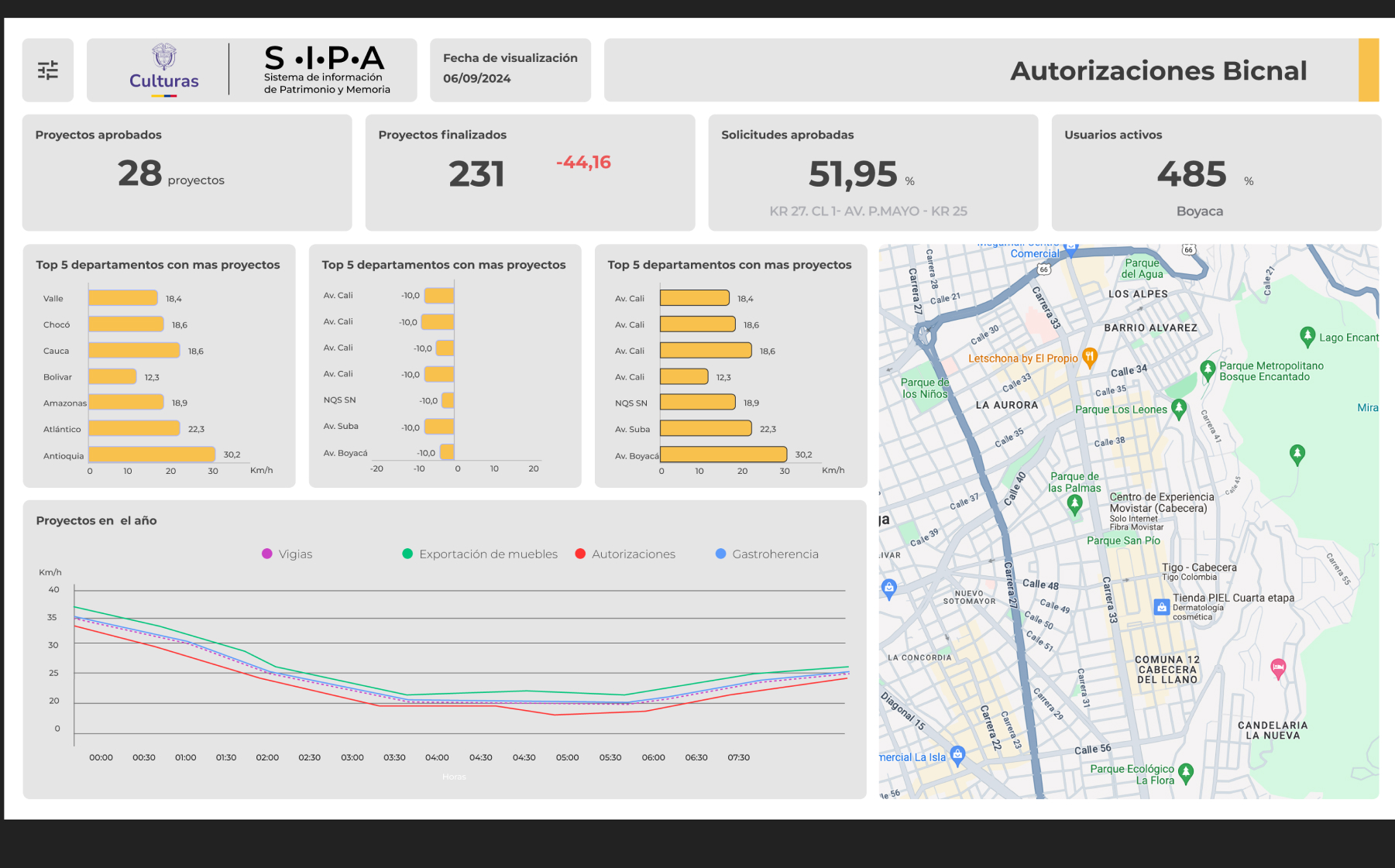
SIPA serves a diverse audience: architects and engineers submitting complex BICNAL intervention forms, cultural entities requesting export permits, and Ministry of Culture staff reviewing requests. We designed intuitive user flows to simplify submissions for citizens, clear status tracking for transparency, and efficient dashboards for staff, ensuring responsive interfaces that address field-based mobile needs and regulatory clarity for all users.
Crafting the Solution
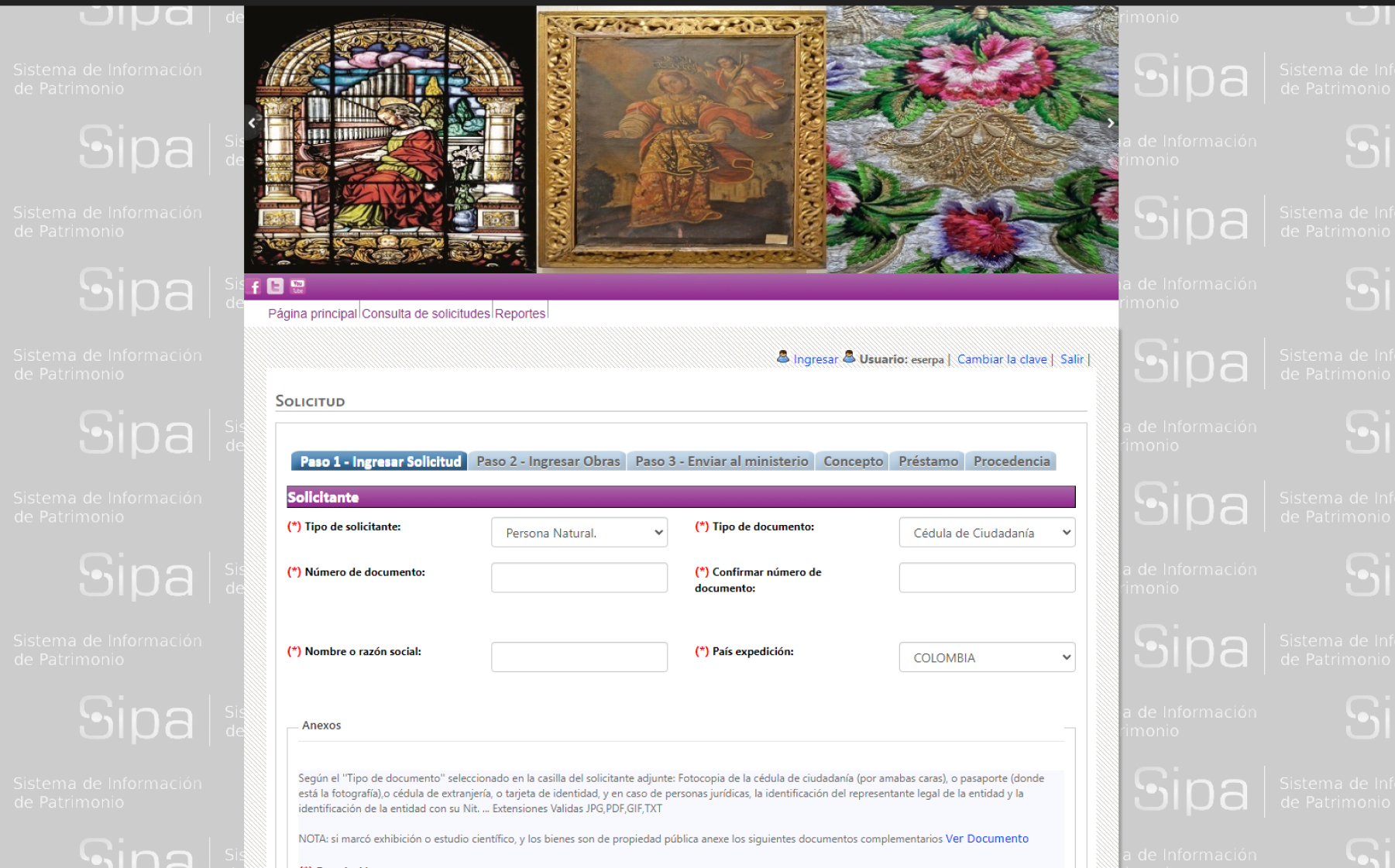
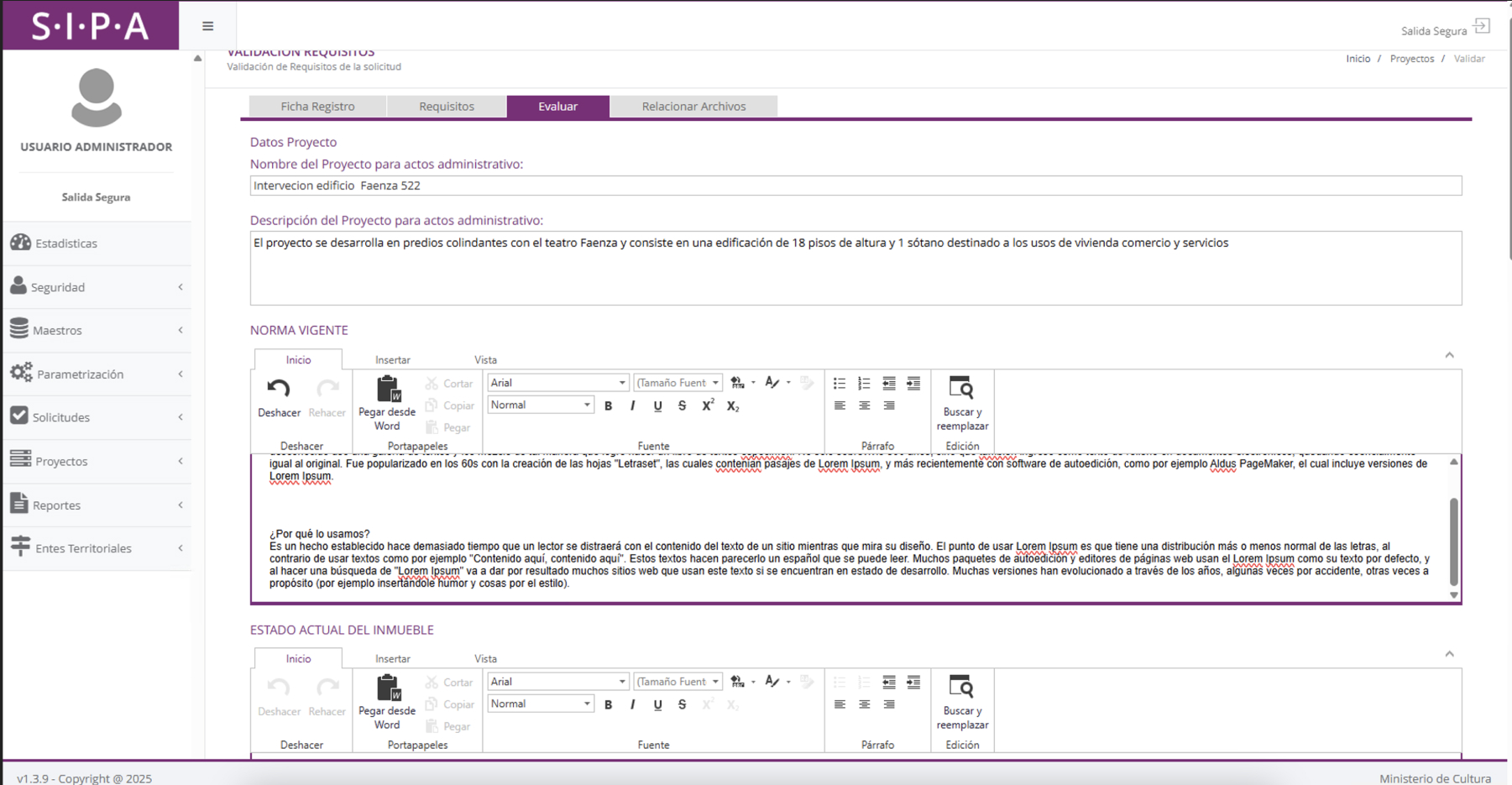
Through iterative user research, I identified key pain points in SIPA’s complex heritage processes, such as lengthy forms for BICNAL interventions and unclear export procedures. I designed streamlined user flows and wireframes in Figma, refining them based on user feedback to ensure intuitive navigation for citizens and efficient dashboards for Ministry staff. The UI was crafted using a token system for consistent, responsive designs, enhancing usability across devices while aligning with Colombian cultural regulations.

Results
The main UX challenges for SIPA were simplifying complex heritage processes, like BICNAL interventions and asset exports, into intuitive flows for citizens, while creating efficient tools for Ministry staff to review requests. Crafting clear user journeys and iterative wireframes was key to reducing friction. For UI, the challenge was designing consistent, responsive interfaces using a token system, ensuring visual clarity for diverse users across mobile and desktop, aligned with Colombian cultural regulations.
Deliverables


