Almería Smart Mobility
Overview
Almería Smart Mobility is an intelligent urban mobility system developed for Almería, Spain. My role was to lead the UX/UI design of a platform that integrates real-time data from 2,800 sensors, cameras, and environmental stations into three simultaneous products: a free mobile app for citizens and tourists, an informational website, and a monitoring and control platform for the Local Police. The central challenge was designing a single information architecture that worked for radically different profiles — the tourist visiting the city for the first time, the citizen who parks there every day, and the operator managing traffic incidents in real time.
- Real-time traffic and parking updates
- Eco-friendly route suggestions
- Multilingual support for tourists
- Accessible interfaces for diverse users
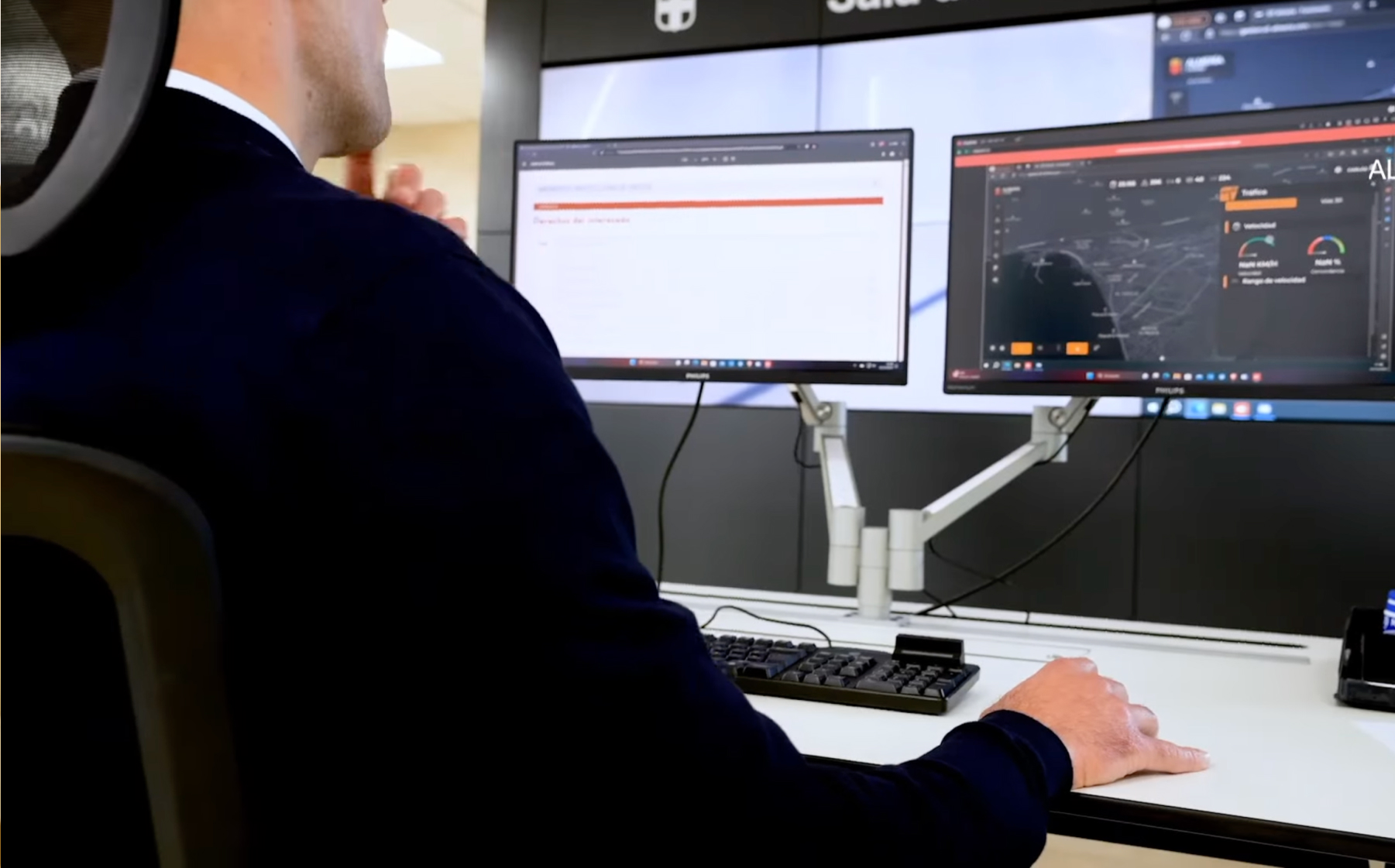
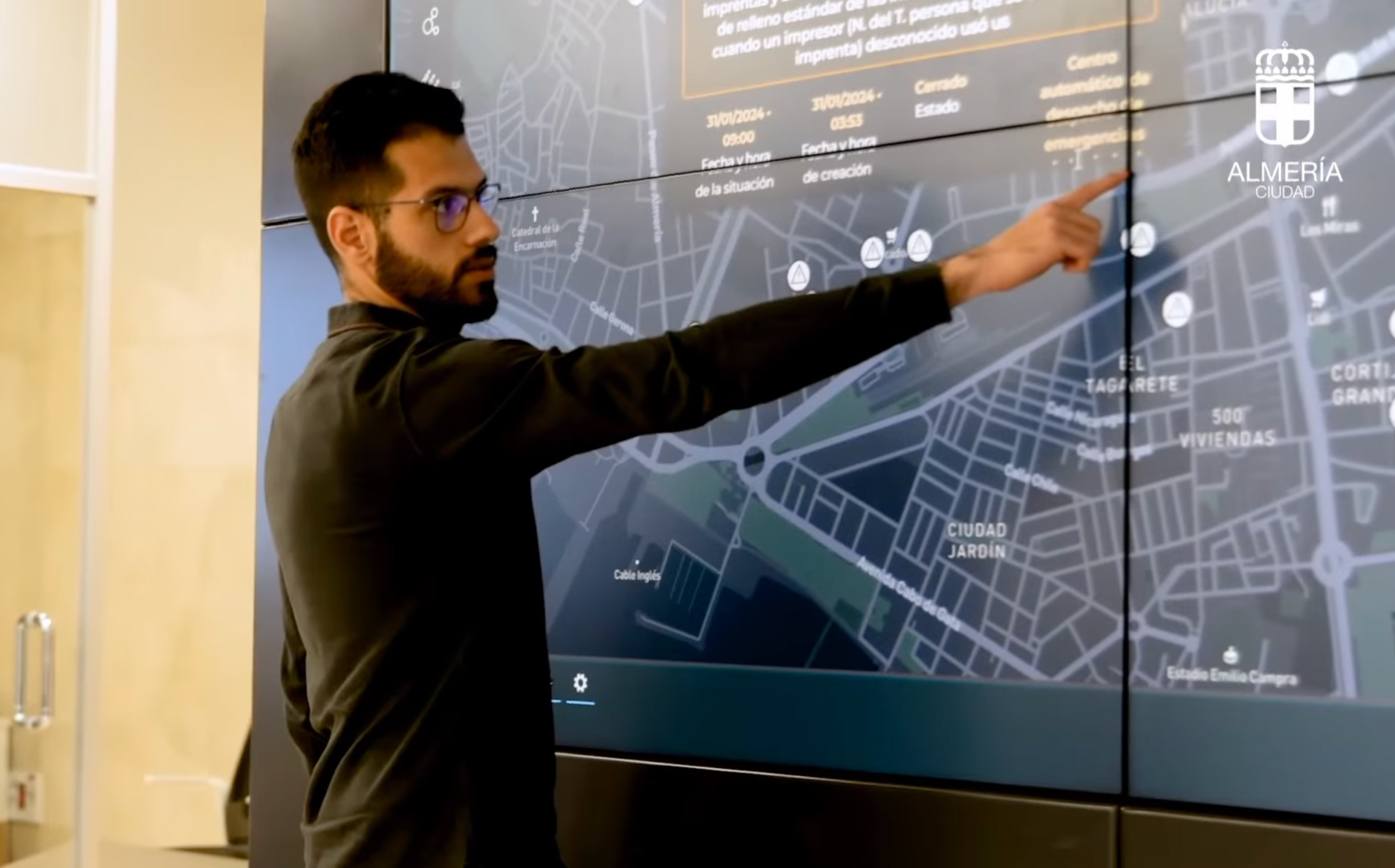
- Control room tools for Local Police
Team
- UX/UI Lead: Jorge Molano
- UX/UI Designer: 1
- Developers: 4
- QA Tester: 1
- Project Manager: Mobility Specialist
Time
2 Years
Designed For
The platform serves three simultaneous profiles with radically different needs: citizens who need to check the availability of 2,444 regulated parking spaces and 10 underground car parks before leaving home, tourists navigating the city for the first time with multilingual support, and Local Police operators monitoring traffic, managing incidents, and controlling air quality from a centralized control room. Designing for all three within a single architecture — without any of them feeling the interface was built for someone else — was the central design challenge of the project.
Crafting the Solution
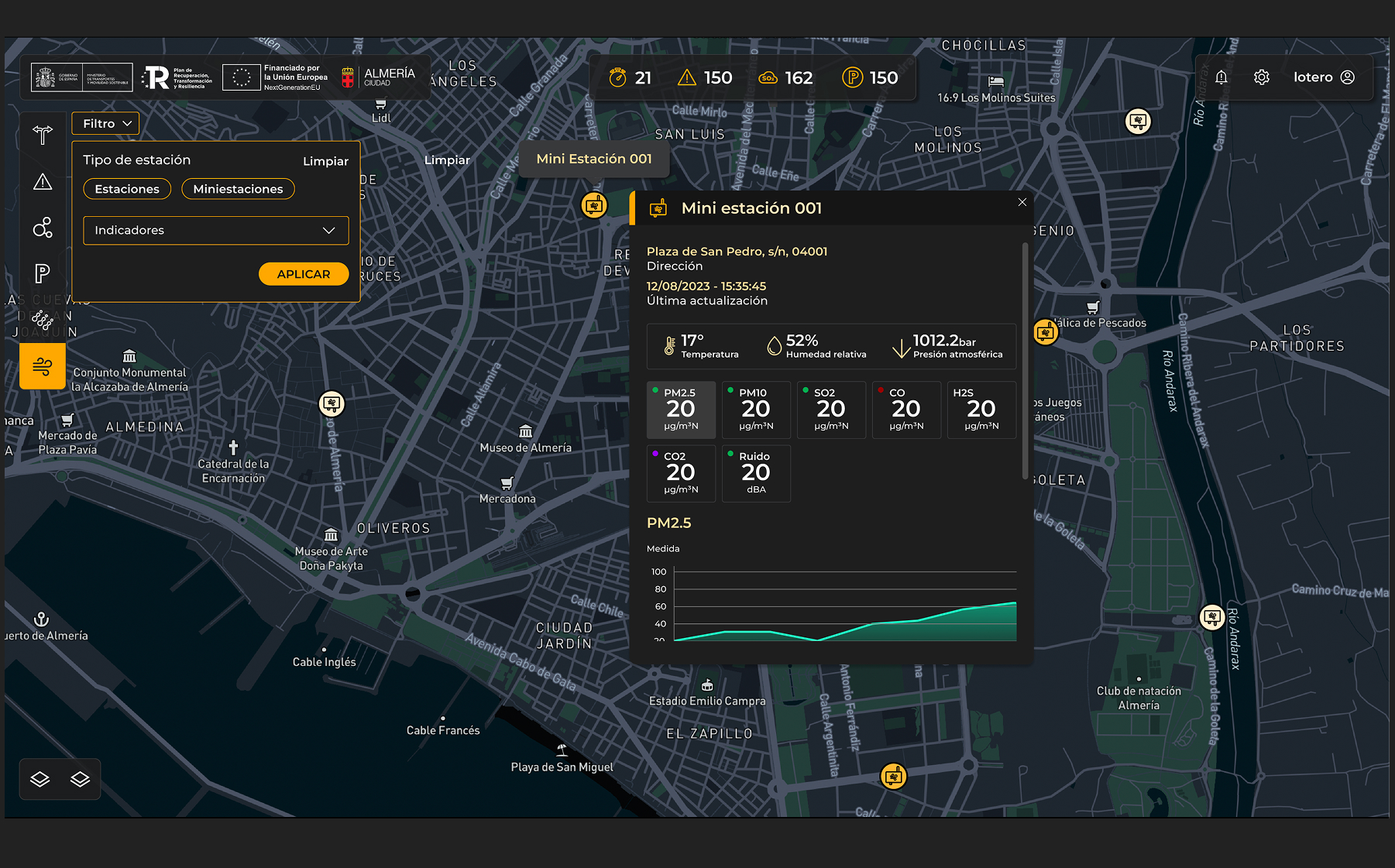
Through iterative design and usability testing with citizens, tourists, and local agents, I built accessible interfaces that integrate real-time traffic, regulated and underground parking, air quality, vehicle location, scooters, and bus lines. The Local Police control room centralizes intelligent traffic management using data from 40 Bluetooth and WiFi sensors and 50 cameras, with advanced mobility analytics that generate origin-destination matrices and travel times for operational decision-making.


Results
A platform described by the Almería City Council at launch as a pioneer in Spain in its composition and development. The system reduced travel times, improved parking efficiency, and provided GHG emissions monitoring in high-traffic zones. The free mobile app, available on iOS and Android, became the citizen interface of a city advancing toward a sustainable, efficient, and less polluting mobility model.
Deliverables
